

Introduction
Choosing the right cookie consent text is critical for compliance with GDPR, CCPA/CPRA, and emerging privacy laws. As of 2026, cookie banners must present clear, legally sound options to users while remaining transparent and easy to understand.
Regulatory Landscape
GDPR (EU)
The ePrivacy Regulation was formally withdrawn in February 2025, consolidating cookie rules into Articles 88a and 88b of the GDPR. Key requirements include:
- Explicit consent is required for non-essential cookies (analytics, marketing, social media).
- No implied consent – scrolling, swiping, or continued browsing does not count as valid consent.
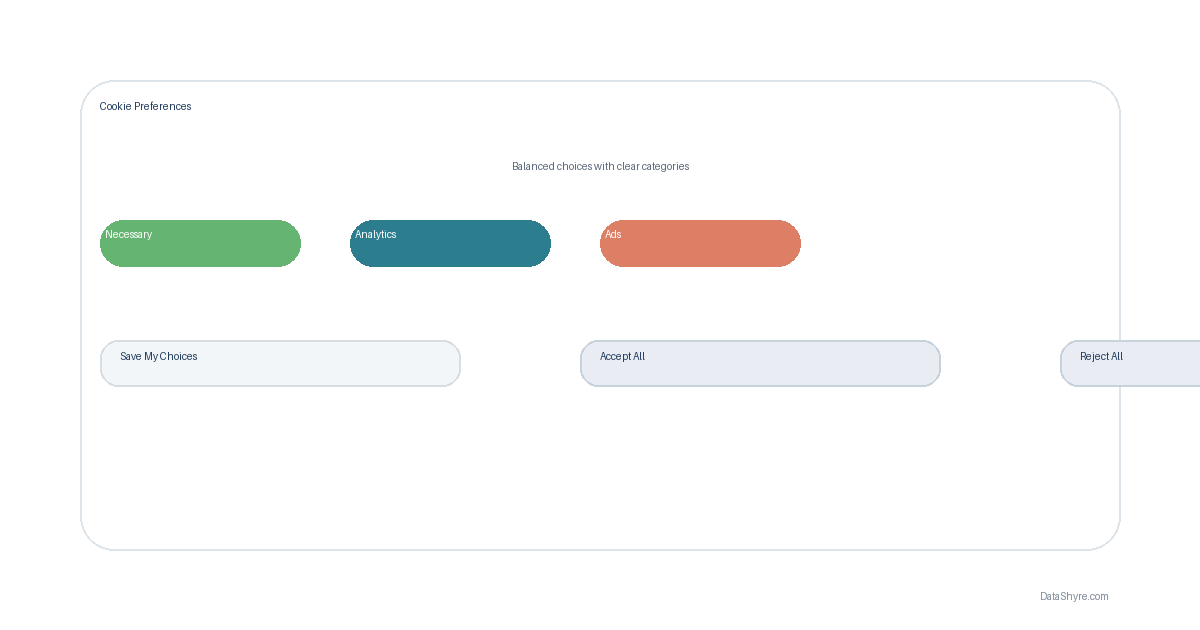
- Granular choices – users must be able to accept or reject categories individually (functional, analytics, marketing, third-party).
- Equal prominence – “Accept All” and “Reject All” buttons must have identical visual weight.
- Persistent withdrawal – a clear “Cookie Settings” link must remain accessible forever.
CCPA/CPRA (California)
California’s CCPA/CPRA expands the scope of “storage and access technologies” (SATs) to include tracking pixels, device fingerprinting, and local storage. Key points:
- Opt-in required for non-essential cookies.
- Right to opt-out of sale/sharing of personal data.
- Clear disclosure of what data is collected and why.
- Easy revocation – users must be able to withdraw consent at any time.
Other Jurisdictions
UK ICO guidance (April 2026) reinforces the need for plain-language explanations and accessible design. Emerging frameworks like the EU DPA (Data (Use and Access) Act 2025) introduce limited exceptions for low‑risk cookies used purely for site functionality.
Implementation Strategy
1. Choose Clear Category Labels
Use descriptive, non‑technical labels:
- Functional – essential for site operation (login, cart, notifications).
- Analytics – for traffic analysis and performance monitoring.
- Marketing – for personalized ads and targeted content.
- Third‑party – for partner integrations (analytics, ad networks, CRM).
2. Craft Compliant Wording
Based on the latest guidance, effective cookie consent text should include:
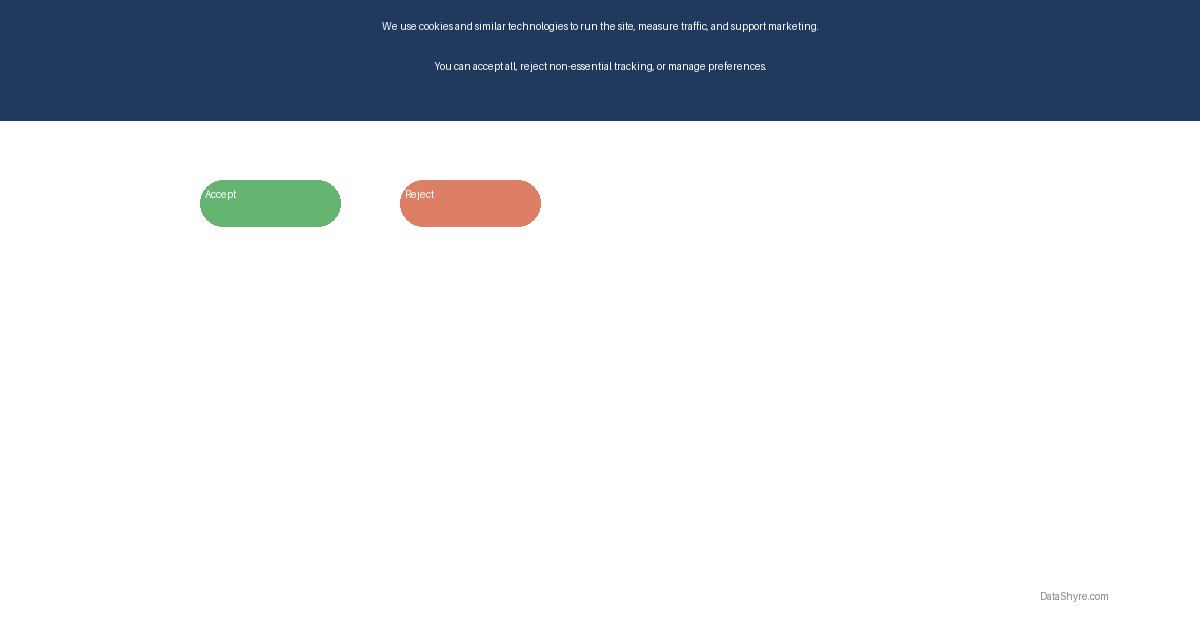
“We use cookies and similar technologies to run the site, measure traffic, and support marketing. You can accept all, reject non‑essential tracking, or manage preferences. You can change your choice any time in Cookie Settings.”
Best‑practice elements:
- Plain language – avoid legalese; explain what each cookie category does.
- Purpose clarity – specify whether the cookie tracks behavior, collects analytics, or enables marketing.
- Choice balance – always offer a “Reject All” option alongside “Accept All”.
- Link to policies – include hyperlinks to your Privacy Policy and Cookie Policy.
3. Design for Accessibility
- Buttons must meet WCAG AA contrast ratios.
- Font size ≥ 14px for readability.
- Touch‑friendly on mobile (minimum 44×44px tap targets).
Internal Links
- Cookie Consent Manager: 2026 GDPR Compliance Guide
- Cookie Consent Banner Examples 2026
- GDPR Cookie Consent Requirements 2026
Conclusion
A well‑crafted cookie consent text is not just a legal necessity—it builds user trust and reduces enforcement risk. By following the 2026 regulatory landscape and applying clear, transparent wording, your site can maintain compliance across GDPR, CCPA/CPRA, and emerging privacy laws.
—
Published: 2026-10-08